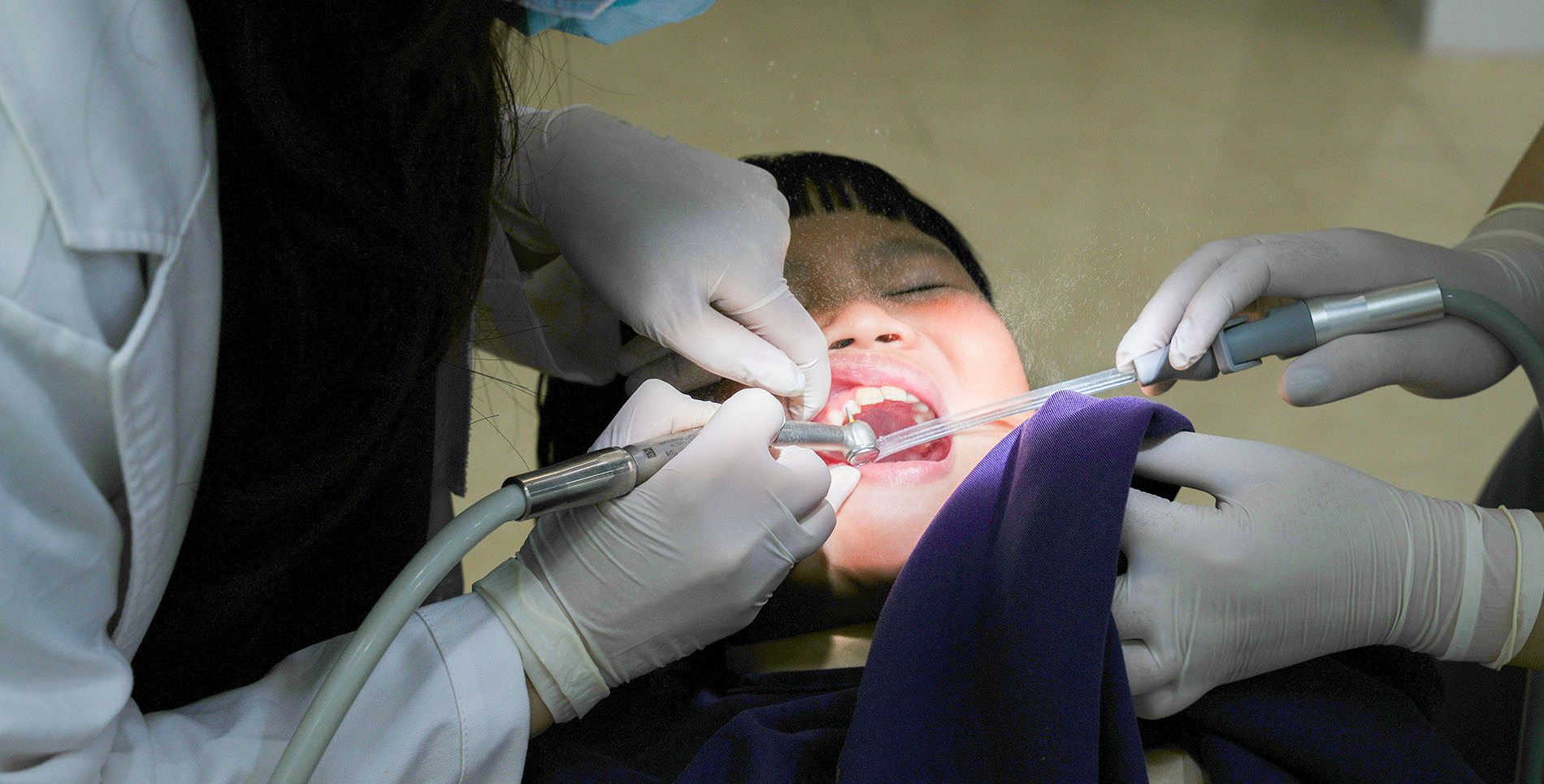
Understanding Common Causes of Dental Pain in Basel
Dental pain can range from mild sensitivity to persistent, throbbing discomfort that interferes with eating, sleeping, and daily activities. Understanding its possible causes is the first step toward finding relief and preventing further complications.
Common reasons for dental pain include tooth decay, cracked teeth, gum disease, exposed tooth roots, and dental abscesses. Sensitivity to hot, cold, or sweet foods may indicate an underlying problem that requires professional attention. Although occasional discomfort might seem manageable, persistent or worsening pain should never be ignored.
For residents of Basel, recognizing these warning signs early can help prevent minor dental concerns from developing into more complicated conditions.
Effective Dental Pain Treatment Options
The appropriate treatment depends on the source and severity of the discomfort. A dentist can examine the affected tooth, assess the surrounding gums, and recommend a suitable solution.
Depending on the diagnosis, dental pain treatment may involve:
Dental fillings: Repairing cavities that expose sensitive inner tooth structures.
Root canal treatment: Removing infected or inflamed pulp to preserve a damaged tooth when appropriate.
Gum treatment: Addressing inflammation or infection affecting the supporting tissues.
Dental restorations: Repairing cracked or damaged teeth with suitable restorative materials.
Professional cleaning: Removing plaque and tartar that contribute to gum problems.
If you are searching for dental pain treatment in Basel, choosing a qualified dental professional is an important step toward identifying the cause of your discomfort. Rather than simply masking symptoms, professional care focuses on treating the underlying problem and protecting your long-term oral health.
When Should You Visit a Dentist in Basel?
Knowing when to seek professional help can make a significant difference in your recovery. Mild sensitivity that persists, pain when biting, swollen gums, or discomfort that repeatedly returns all warrant a dental assessment.
Can dental pain disappear without treatment?
Sometimes, symptoms temporarily subside, but this does not necessarily mean the underlying problem has resolved. For example, an infected tooth may continue to require treatment even after the pain decreases.
When is dental pain an emergency?
Seek urgent dental care for severe or rapidly worsening pain, facial swelling, or suspected infection. If swelling affects breathing or swallowing, seek emergency medical attention immediately.
While waiting for an appointment, gently rinse your mouth with warm salt water and avoid foods that trigger discomfort. Over-the-counter pain relievers may help when used according to their instructions and individual medical suitability. Never place aspirin directly against a tooth or gum.
Personalized Dental Care with Zahnarzt Basel
Finding a dentist who listens to your concerns and explains your treatment options can make dental visits more comfortable. Zahnarzt Basel offers a name to consider when looking for professional dental care in the Basel area.
A dental consultation can help identify the source of your pain, clarify available treatment options, and establish a plan suited to your oral health needs. Clear communication also helps you understand what to expect before, during, and after a procedure.
Prompt attention is particularly valuable when discomfort affects your ability to eat, sleep, or concentrate throughout the day.
Protect Your Smile with a Dentist in Basel
Preventive care remains one of the most effective ways to reduce the risk of future dental problems. Brushing twice daily with fluoride toothpaste, cleaning between your teeth, limiting frequent sugary snacks, and attending regular dental checkups can help maintain healthy teeth and gums.
However, even with good oral hygiene, dental problems can still occur.
Do not let tooth pain disrupt your everyday life. Contact Zahnarzt Basel to arrange a consultation, discuss your symptoms, and explore appropriate treatment options. Taking action early can help relieve discomfort, preserve your natural teeth when possible, and support a healthier smile for years to come.